Photosynthesis (PSI and PSII) Inhibitor Herbicide Injury

Pathogen Type
Hosts

Plants affected dependant upon herbicide used.

The list below of specific plants is NOT all inclusive. It reflects the authors' experience as well as University of Illinois herbicide injury research trial results.

Symptoms

These herbicides all inhibit photosynthesis in susceptible plants.

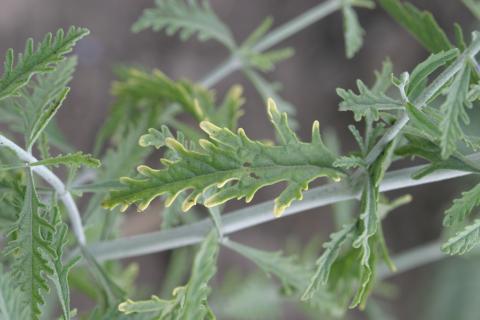
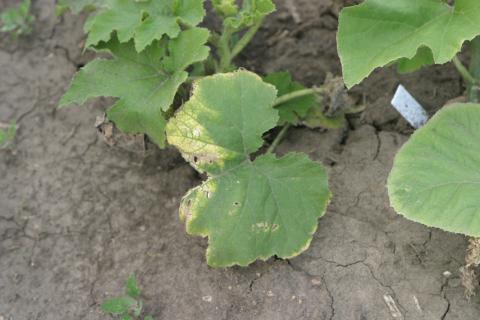
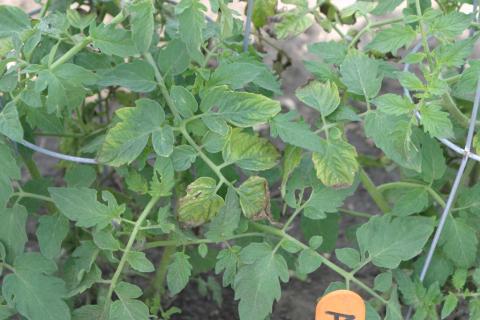
Triazines: atrazine (numerous premixes), metribuzin (Sencor), and simazine (Princep).

Characteristics of activity:

  • Translocated in xylem.

Symptoms of injury:

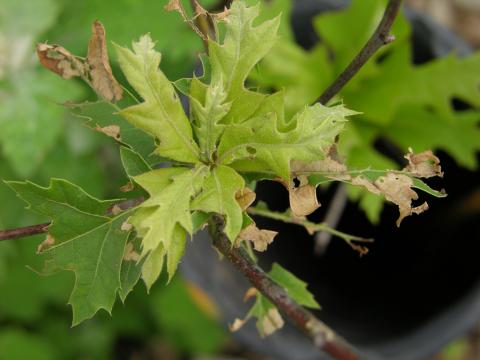
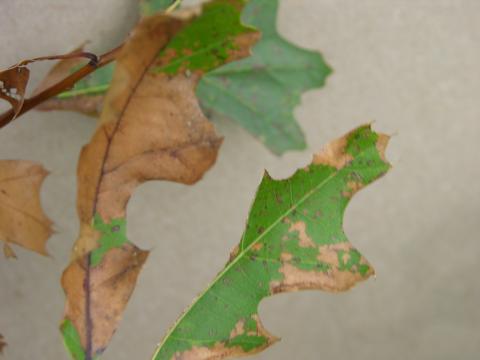
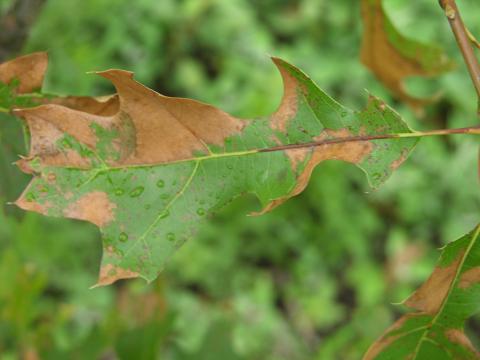
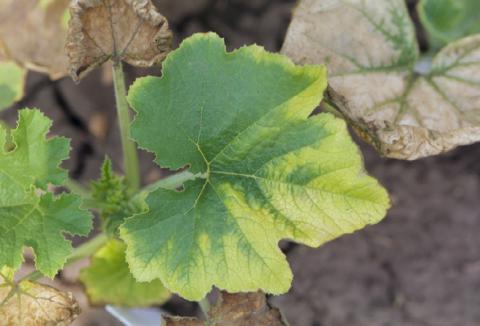
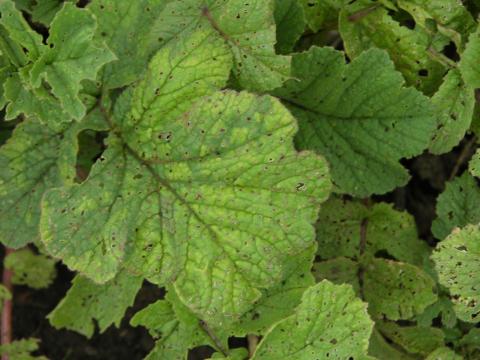
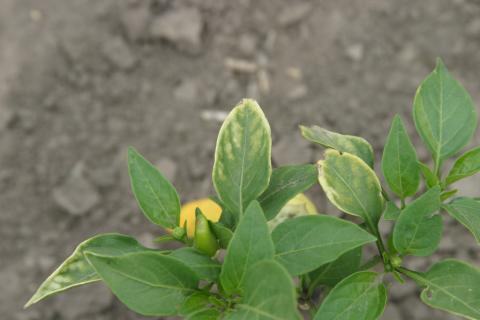
  • Leaf margin burn and interveinal chlorosis.
  • Older leaves affected first.

Benzothiadiazoles: bentazon (Basagran), Phenylpyridazines: pyridate (Tough), and Benzonitriles: bromoxynil (Buctril)

Characteristics of activity:

  • Limited translocation.

Symptoms of injury:

  • Necrotic spots, speckles chlorosis, or bronzing.
  • Activity and injury increase with temperature.

Bipyridiliums: paraquat (Gramoxone Max, Gramoxone Extra, Gramoxone Inteon) and diquat (Reward).

Characteristics of activity:

  • Nonselective
  • Very little translocation.

Symptoms of injury:

  • Water-soaked look early.
  • Chlorosis/necrosis of plant tissue.
  • Drift injury occurs as speckling.
Management
  • Read and follow all label directions.
  • Use caution when applying herbicides around plants as desirable plants may be sensitive and injury may result.
  • Do not spray during cool, wet weather as herbicide is metabolized slower at these times.
  • Do not spray when wind speed and direction are such that herbicide drift is likely to occur.
  • Affected plants may or may not survive herbicide drift; it depends on both the degree of exposure and the plant's tolerance to the herbicide.
  • Water and fertilize plants as needed to promote good plant health.
  • Illinois residents: If you suspect herbicide injury as a result of off-target movement from a nearby application and you are interested in filing a complaint with the Illinois Department of Agriculture, call the Illinois Department of Agriculture's Bureau of Environmental Programs at 1-800-641-3934. To learn more about spray drift and the formal complaint process, visit the Illinois Pesticide Safety Education Spray Drift Resources website.
  • Non-Illinois residents: If you are interested in filing a complaint, contact your state pesticide control official via the Association of American Pesticide Control Officials website.
Credit

Dawn Nordby, Michelle Wiesbrook, Scott Bretthauer
PathogenID
198
Images
Image
Atrazine herbicide drift on pepper plant.
picID
35038
Image
Atrazine herbicide drift on Russian sage.
picID
35037
Image
Atrazine herbicide drift on pumpkin (cucurbit).
picID
35039
Image
Atrazine herbicide drift on tomato.
picID
35040
Image
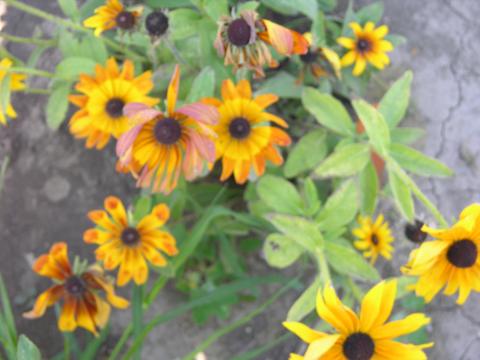
Atrazine herbicide drift on Rudbeckia (daisy).
picID
35041
Image
Atrazine herbicide drift onto red oak.
picID
35044
Image
Atrazine herbicide drift on red oak.
picID
35042
Image
Atrazine herbicide drift on red oak.
picID
35043
Image
Atrazine herbicide drift on pumpkin (cucurbit).
picID
35036
Image
Atrazine herbicide drift on radishes.
picID
35045