Anthracnose [Annuals and Perennials]

Pathogen Type
Scientific Name
Many genus and species involved
Frequency
3
Severity
3
Hosts
Convallaria sp. (Lily-of-the-Valley), Hemerocallis sp. (Daylily), Heuchera sp. (Coral Bells), Hosta sp., Paeona sp. (Peony) as well as many other flowers.
Symptoms
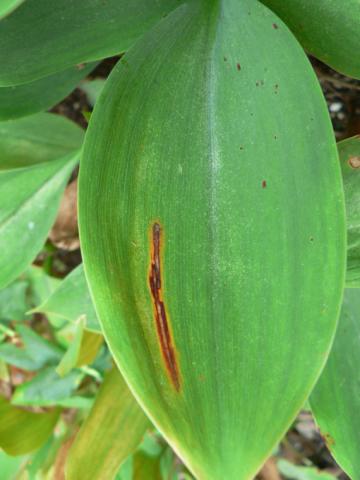
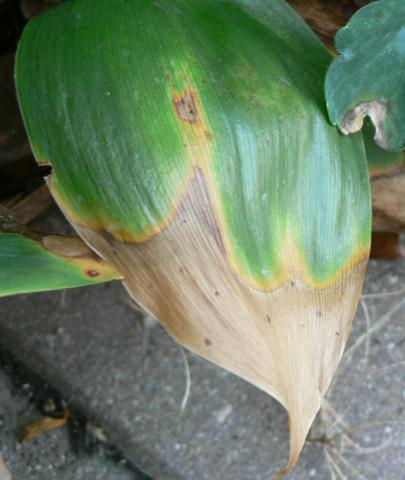
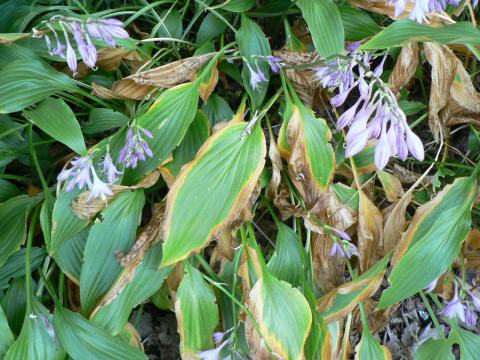
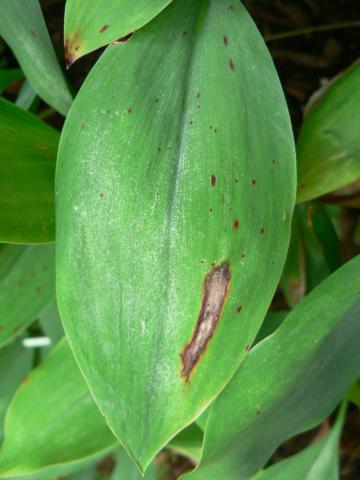
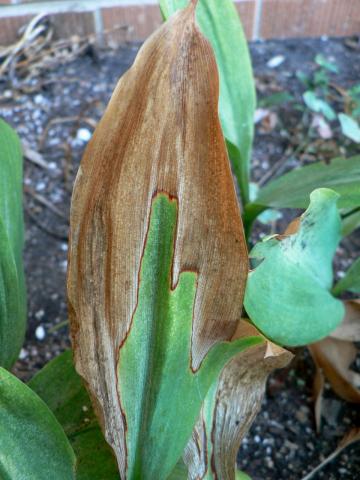
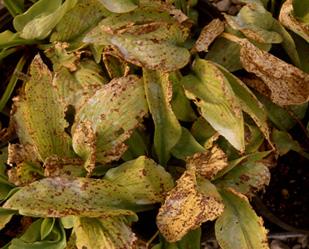
Anthracnose causes small brown spots on coral bells. Anthracnose causes lesions that are often oval in shape and dark brown in color with purplish margins on Lily-of-the-Valley. These spots may fall out, exposing the veins. This disease is not usually fatal but does weaken the plant. The following year, the number of flowers is often reduced. Anthracnose cause brown spots on the leaves that can merge to form irrugular dead areas and occurs more often on hostas in wet or over watered locations. The brown lesions may spread to encompass the entire leaf. Peony get botrytis and anthracnose. The disease causes buds, flowers, leaves, and stems to die. The disease often cause similar damage to Botrytis on peonies. Culturing is usually necessary for proper identification. Symtoms will vary from plant to plant or even on the same plant depending on pathogen, host, time of infection, weather and so on.
Cycle
The disease over-winters on dead plant material and spores can blow for many miles. Wet conditions promote infection and spread of the disease.
Management
Grow Plants in full sun and provide good air circulation. Fungicides and sanitation may be helpful.
Credit

James E Schuster & Bruce E. Paulsrud, Plant Pathologists University of Illinois
PathogenID
154
Images
Image
Anthracnose on hosta
picID
30921
Image
Anthracnose on lily of the valley.
picID
33837
Image
Anthracnose on lily of the valley.
picID
33838
Image
Anthracnose on hosta.
picID
15501
Image
Anthracnose on lily of the valley.
picID
15503
Image
Anthracnose on lily of the valley.
picID
15502
Image
Anthracnose on hosta.
picID
26140
Image
Anthracnose on lily-of-the-valley.
picID
26167
Image
Anthracnose symptoms on lily-of-the-valley.
picID
26168